



When we think of yoga, many people first think of asanas, meaning breath and movement. But yoga is so much more than that. The eight limbs of yoga – the eightfold path according to Patanjali – form the basis of all yoga paths. They show you how to bring more balance, inner peace, and clarity into your everyday life.
Here you will find the eight steps explained simply, practically and for everyday use.
The following blog post will cover these topics:
- Yamas: Mindful interaction with the world
- Niyamas: Mindful self-care
- Asana: The body posture
- Pranayama: The breath
- Pratyahara: Drawing the senses inwards
- Dharana: Concentration
- Dhyana: Meditation
- Samadhi: The experience of oneness
- Conclusion: Yoga begins far above the mat.
- Frequently asked questions about the 8 limbs of yoga
1. Yamas: Mindful interaction with the world
The Yamas are the ethical guidelines of yoga. They show you how to live in harmony with your environment – with respect, compassion, and clarity.
The five Yamas:
- Ahimsa (non-violence): Treat yourself and others with kindness.
- Satya – Truthfulness: Be honest – in words, actions, and intentions.
- Asteya – Non-stealing: Respect the boundaries, time, and energy of others.
- Brahmacharya – Moderation: Use your energy consciously.
- Aparigraha – Letting go: Let go of greed, clinging, and expectations.
🌀 Mantra for your everyday life:
"I act mindfully – with myself and the world."

2. Niyamas: Mindful self-care
The Niyamas are your inner guidelines. They help you develop clarity, get to know yourself better, and live more consciously.
The five Niyamas:
- Saucha – Purity: Create order – inside and out.
- Santosha – Contentment: Find peace in the present moment.
- Tapas – Discipline: Stick with it – even when it gets challenging.
- Svadhyaya – Self-study: Observe yourself, learn from yourself, grow.
- Ishvara Pranidhana – Devotion: Trust in life and your path.
🌀 Mantra for your everyday life:
"I take good care of myself – consciously and lovingly."
3. Asana: The body posture
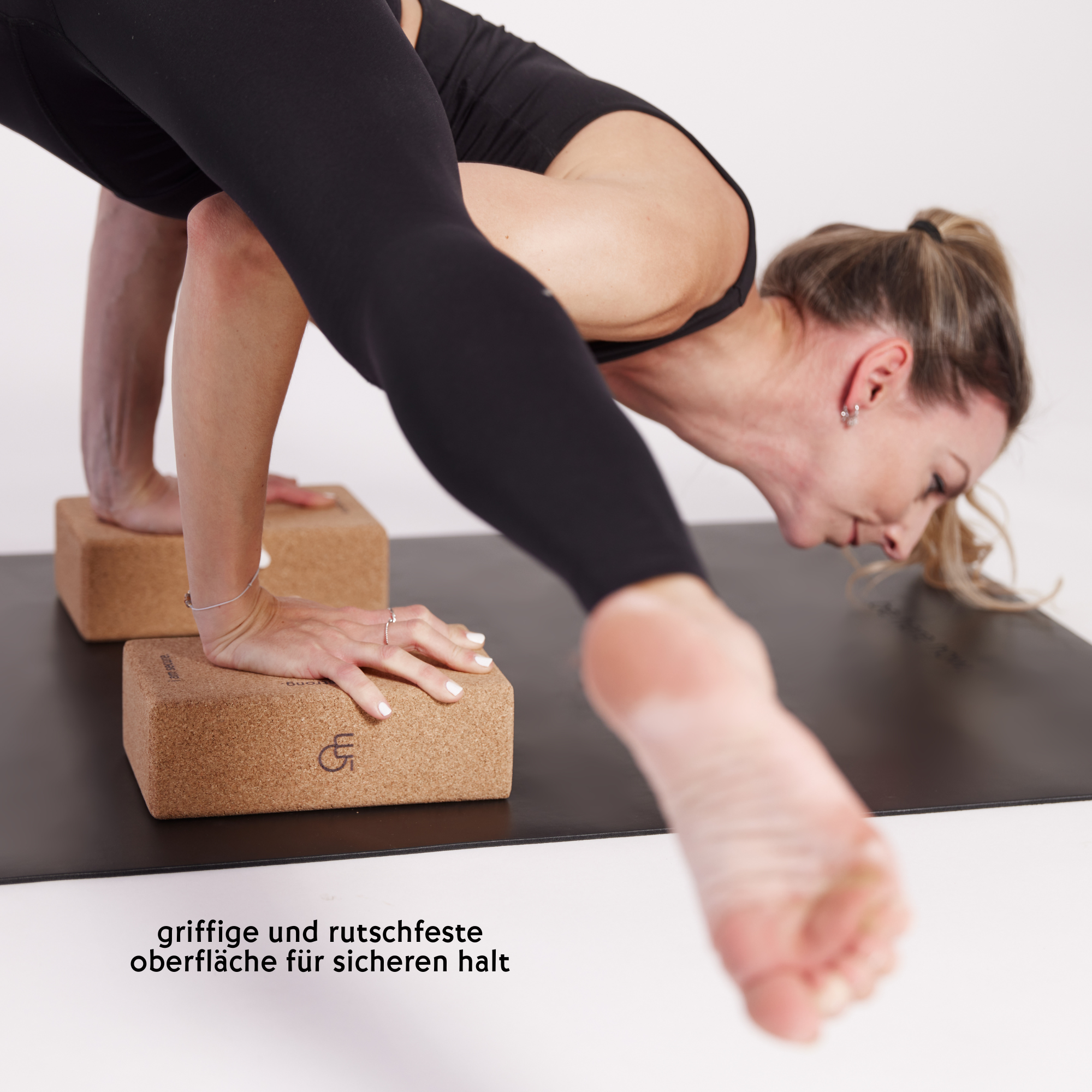
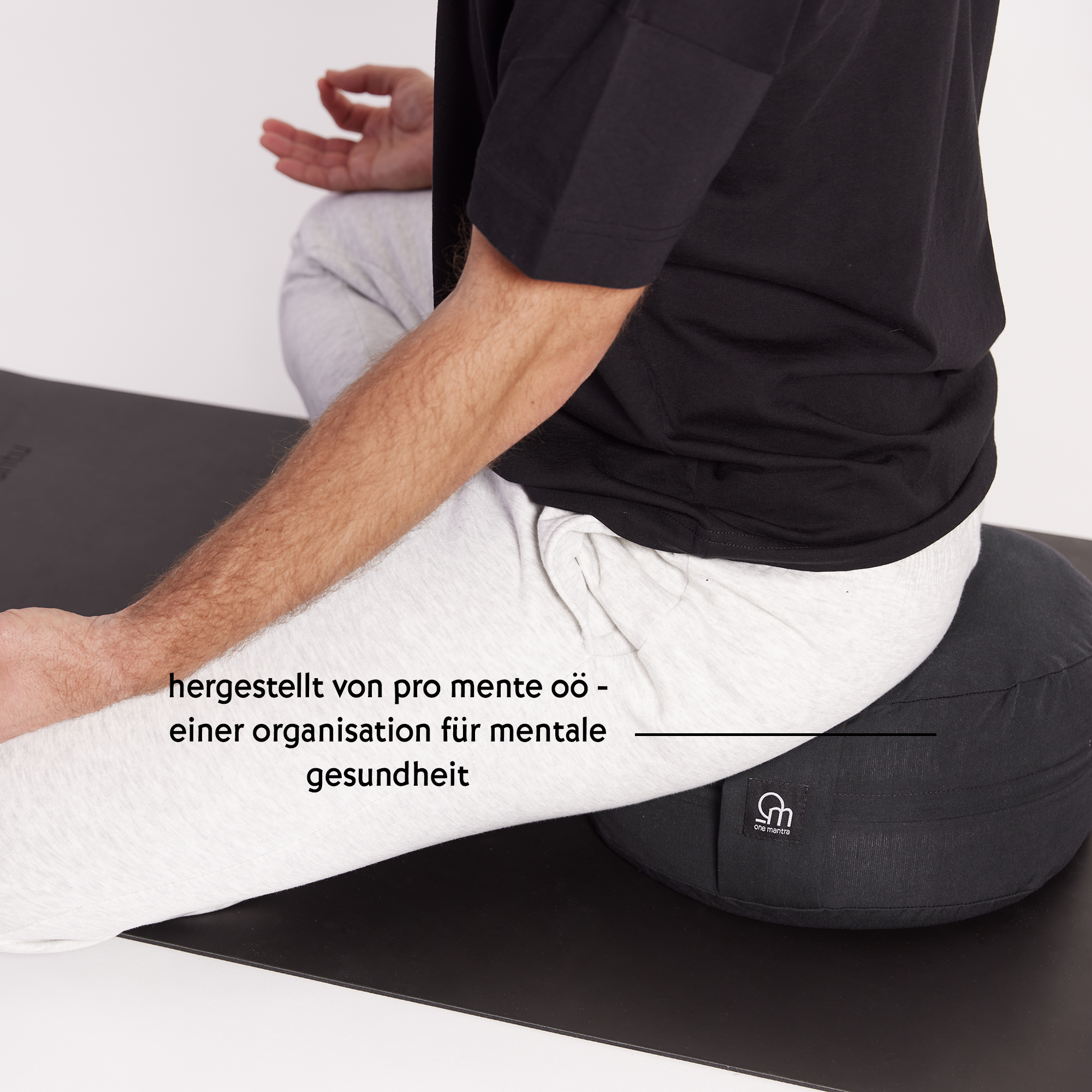
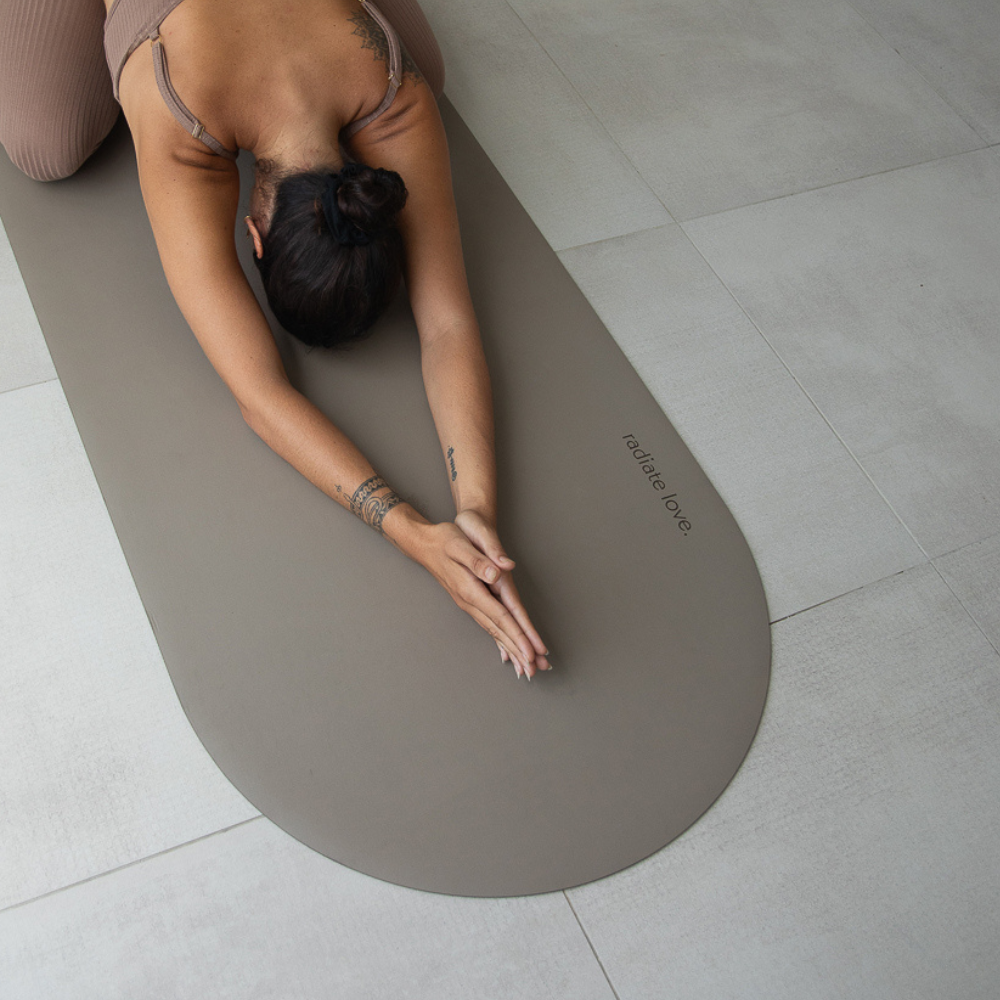
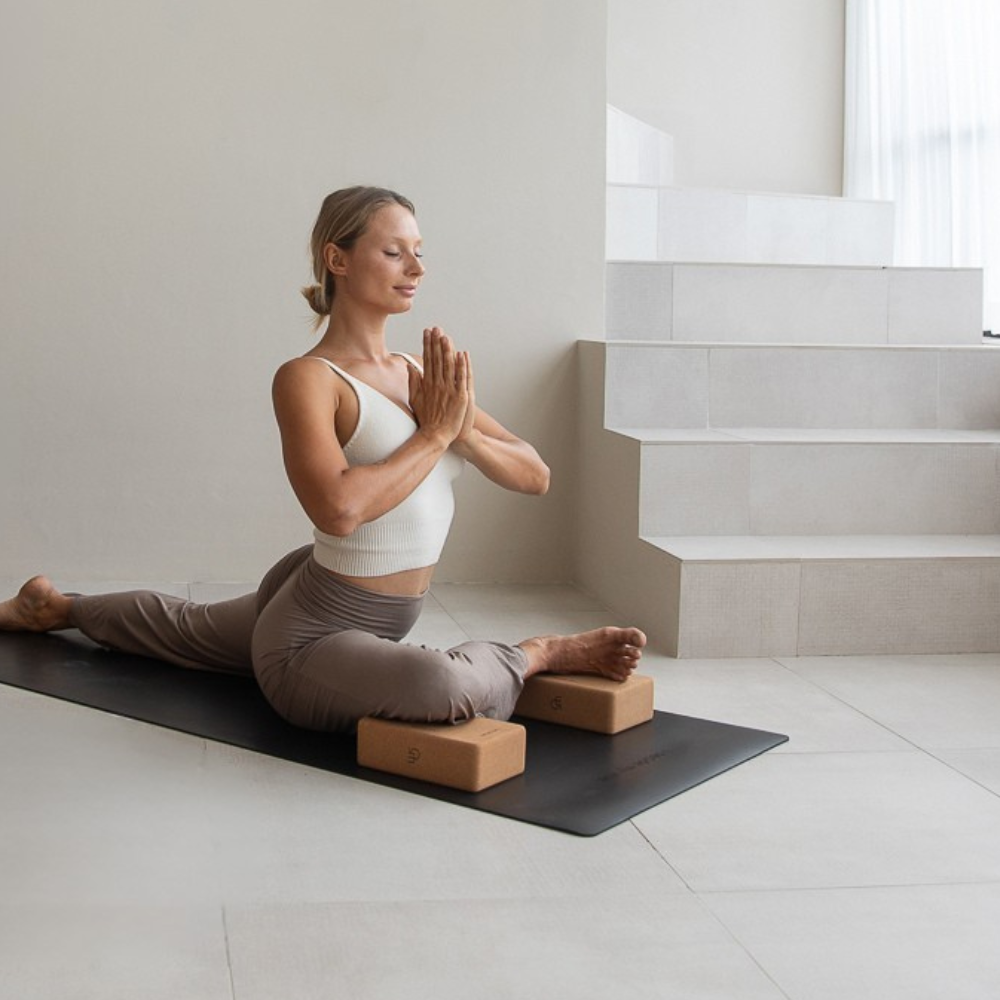
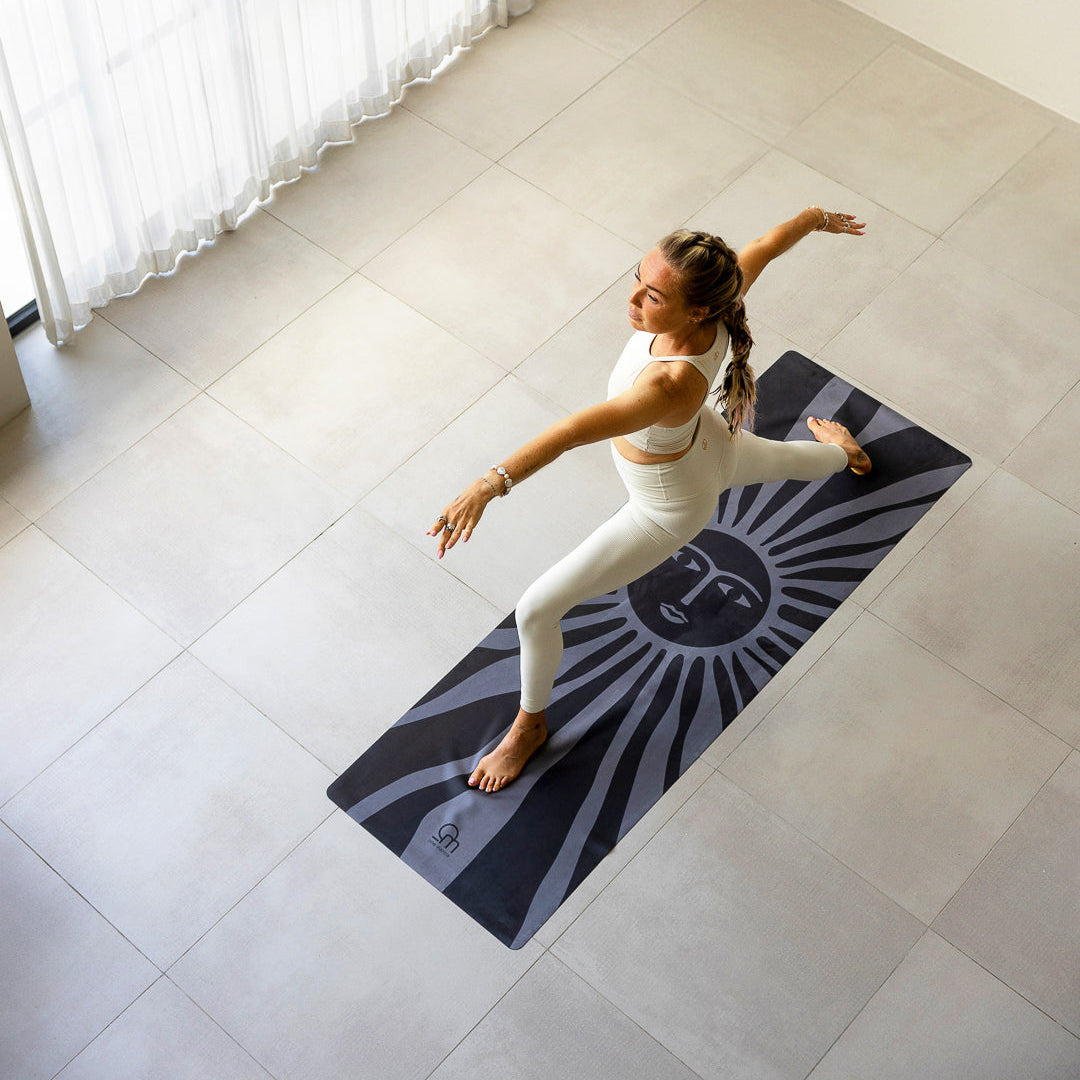
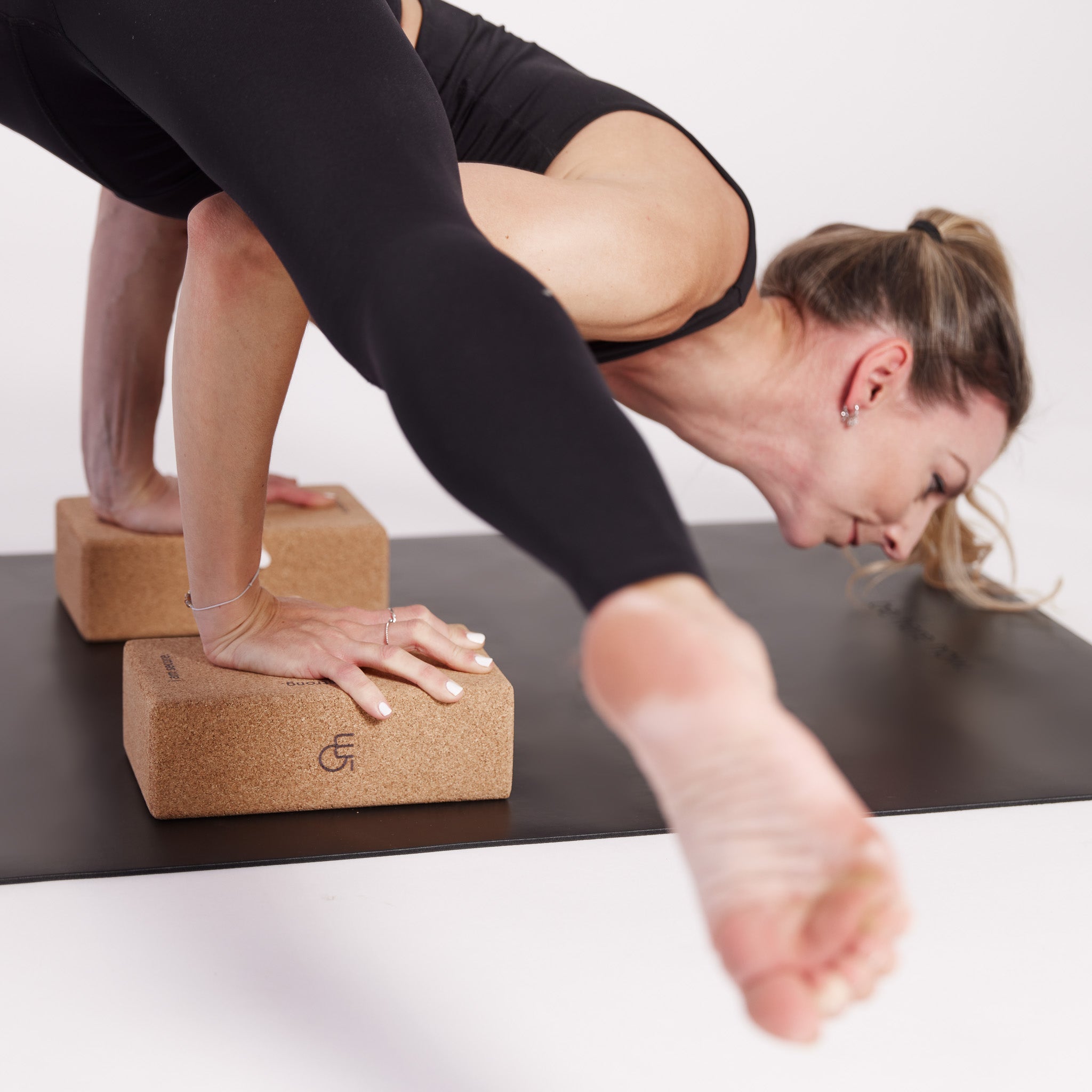
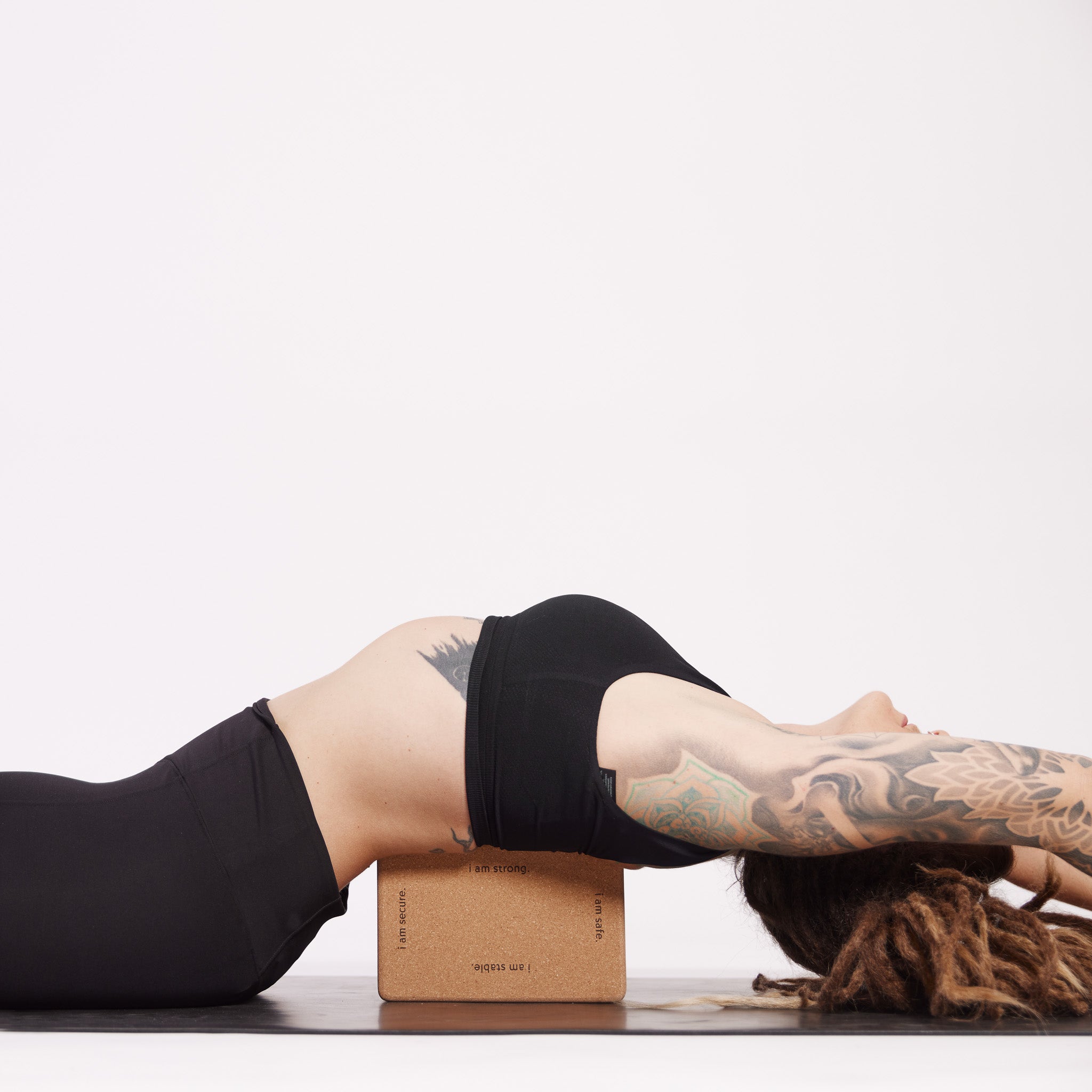
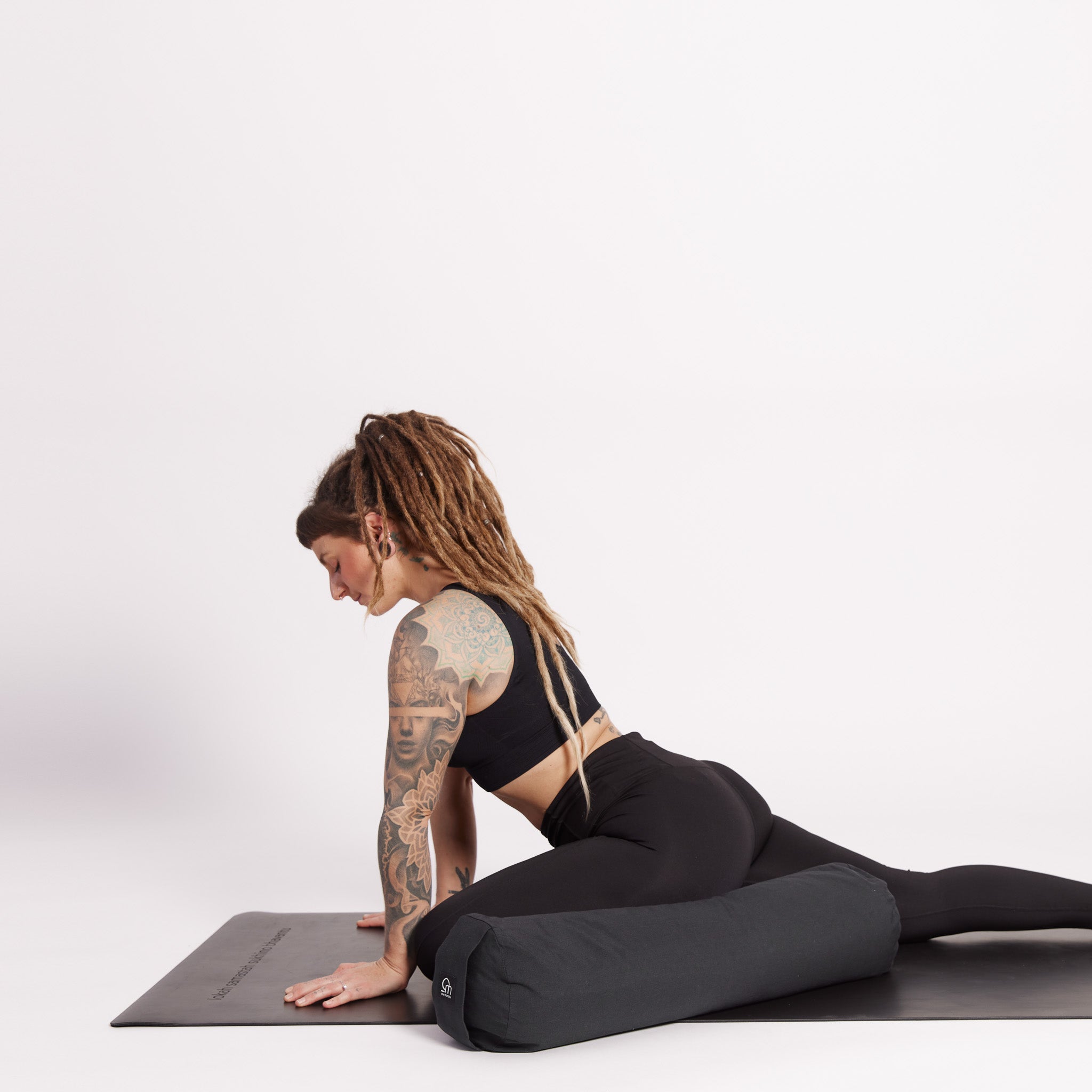
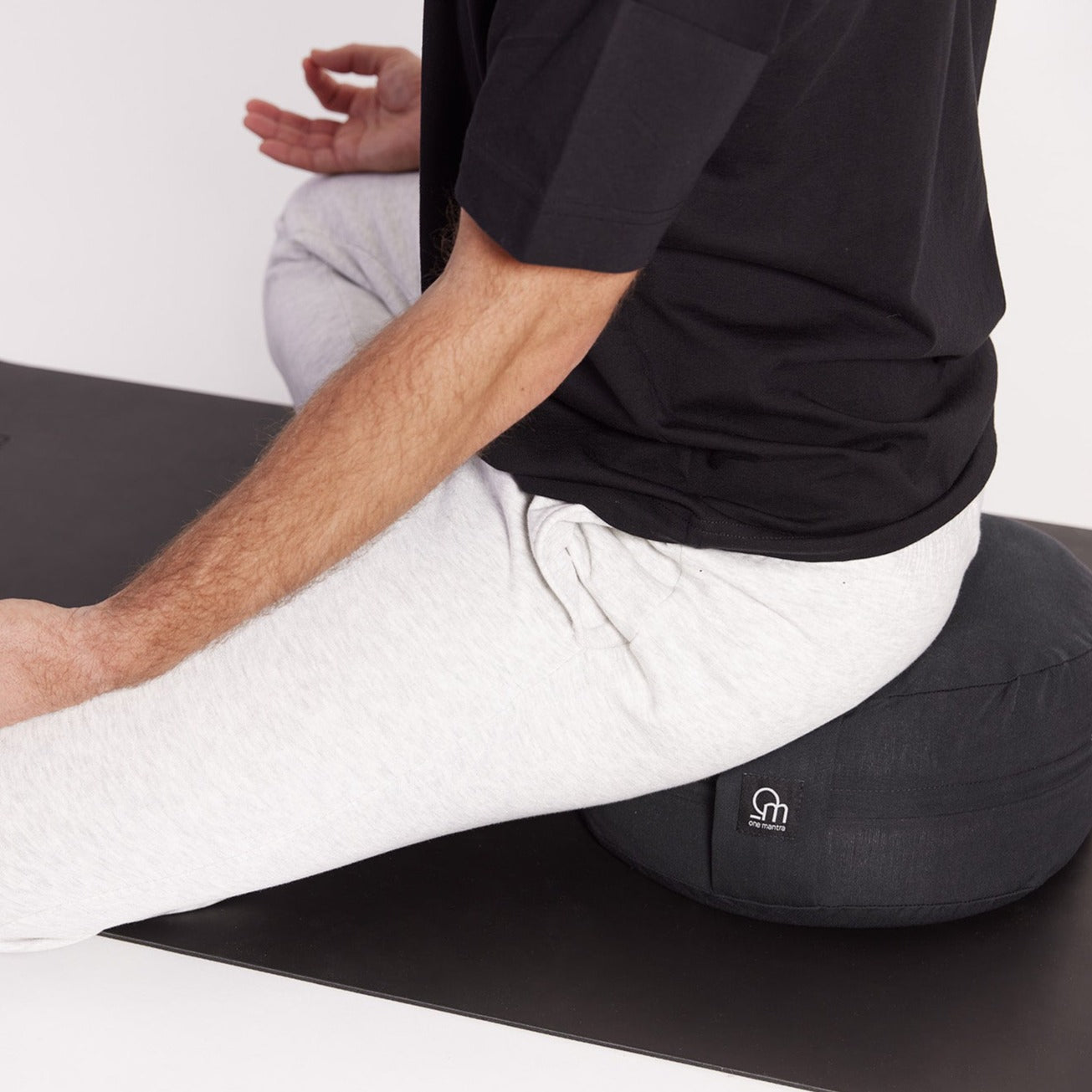
In modern yoga, many people first think of asanas – that is, physical movements. Sometimes they also think of breathing exercises. But originally, asana simply means "seat." The idea behind it: The body should be prepared so that it can sit calmly, stably, and comfortably – for meditation. Asanas create strength, stability, and presence. They bring you back to the present moment and connect movement with awareness.
🌀 Mantra for your everyday life:
"My body is my home – stable, free and present."
4. Pranayama: The breath
Pranayama is the art of breath control. "Prana" means life energy, and your breath is the most direct way to influence it. Breathing exercises can release stress, clear the mind, and connect you with the present moment. A conscious breath can change everything.
🌀 Mantra for your everyday life:
"My breath brings me back to myself."
5. Pratyahara: Drawing the senses inwards
In a noisy world, Pratyahara invites you to quiet the external stimuli. You learn not to be swept away by every impulse, but to turn your focus inward. The result is peace, clarity, and grounding.
🌀 Mantra for your everyday life:
"I turn inward – there I find peace."

6. Dharana: Concentration
Dharana means "directed attention." You consciously choose a focus object, for example, your breath, a mantra, or a candle flame, and train your mind not to wander. This creates mental strength and inner peace.
🌀 Mantra for your everyday life:
"I'll stay true to myself – clear and focused."
7. Dhyana: Meditation
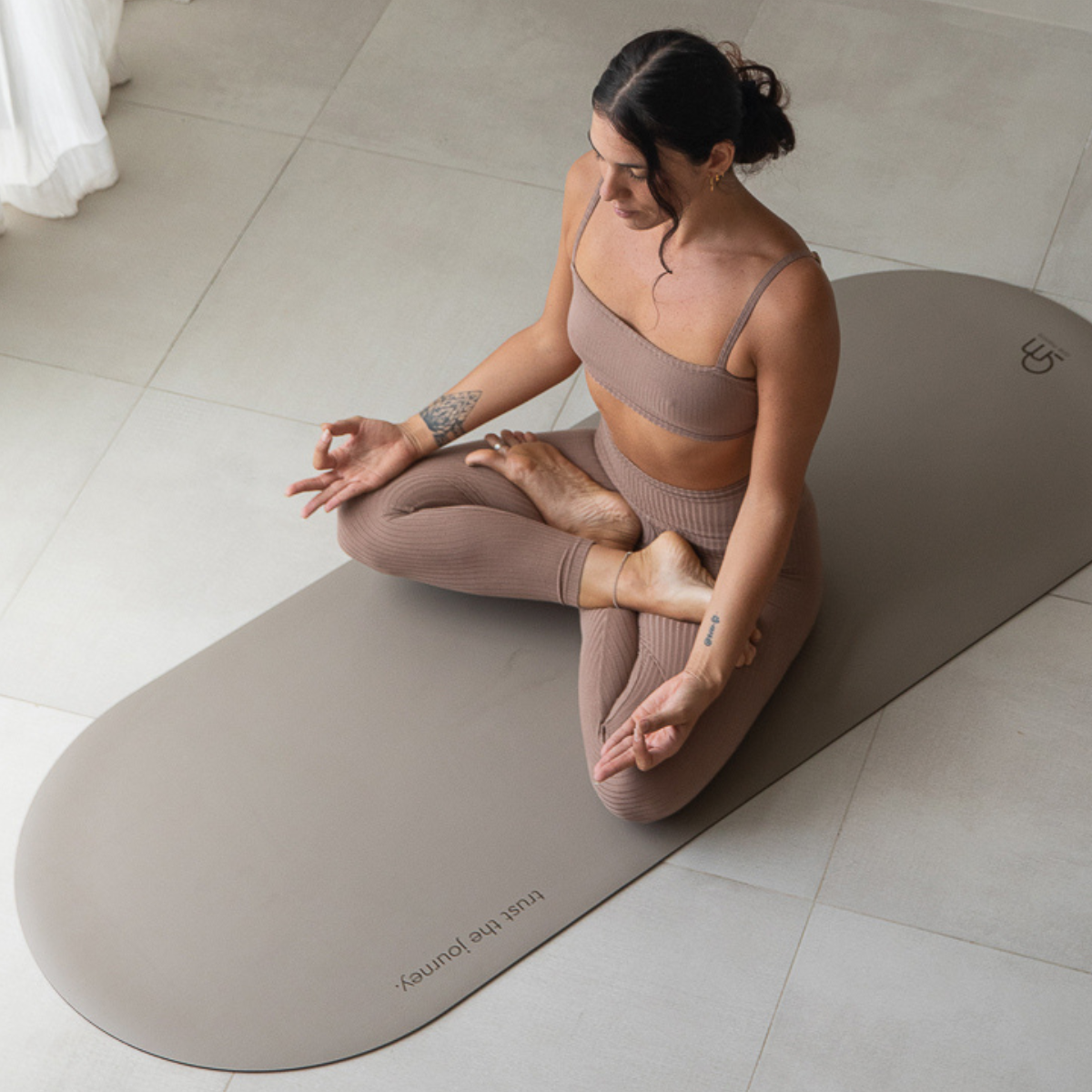
Concentration transforms into meditation. Dhyana is a state of effortless presence, free from pressure, judgment, and "I must." Here, true being begins.
🌀 Mantra for your everyday life:
"I can just be myself."
8. Samadhi: The experience of oneness
Samadhi is the essence of yoga. It is a feeling of deep connection with all that is. A moment of perfect clarity, peace, and vastness. It is not something that can be forced, but a state one slips into when all other parts of the body are in harmony.
🌀 Mantra for your everyday life:
"I am connected. I am whole."
Conclusion: Yoga begins far above the mat.
The 8 parts of yoga demonstrate that yoga is much more than just movement. It is a holistic path that strengthens you physically, mentally, and emotionally. From mindful interaction and self-care to conscious movement and breathwork, all the way to concentration, meditation, and inner peace:
Each link supports you in leading a lighter, clearer, and more authentic life.
You don't have to master everything at once. Even small steps – a kind thought, a conscious breath, a minute of silence – bring you closer to yourself.
Yoga is not a destination. Yoga is a path. A path back to yourself.
Frequently asked questions about the 8 limbs of yoga
1. Where do the 8 parts of yoga come from?
The 8 parts come from the Yoga Sutras of Patanjali , one of the oldest texts of yoga philosophy.
2. Do I have to practice all 8 parts to do "proper" yoga?
No. Simply being aware of them changes your practice. You can start with one aspect – such as breathing exercises or meditation – and develop it step by step.
3. Are the 8 parts only relevant for spiritual people?
Not at all. They are a path to mindfulness, clarity, and balance – regardless of whether you view yoga spiritually or not.
4. What is the difference between asana and meditation?
Asanas are physical exercises that prepare the body and mind. Meditation is the state of inner stillness that can arise from them.
5. How can I integrate the 8 elements into my daily life?
Start small: a conscious breath, a moment of silence, an honest conversation. Yoga begins where you are right now.